seafood


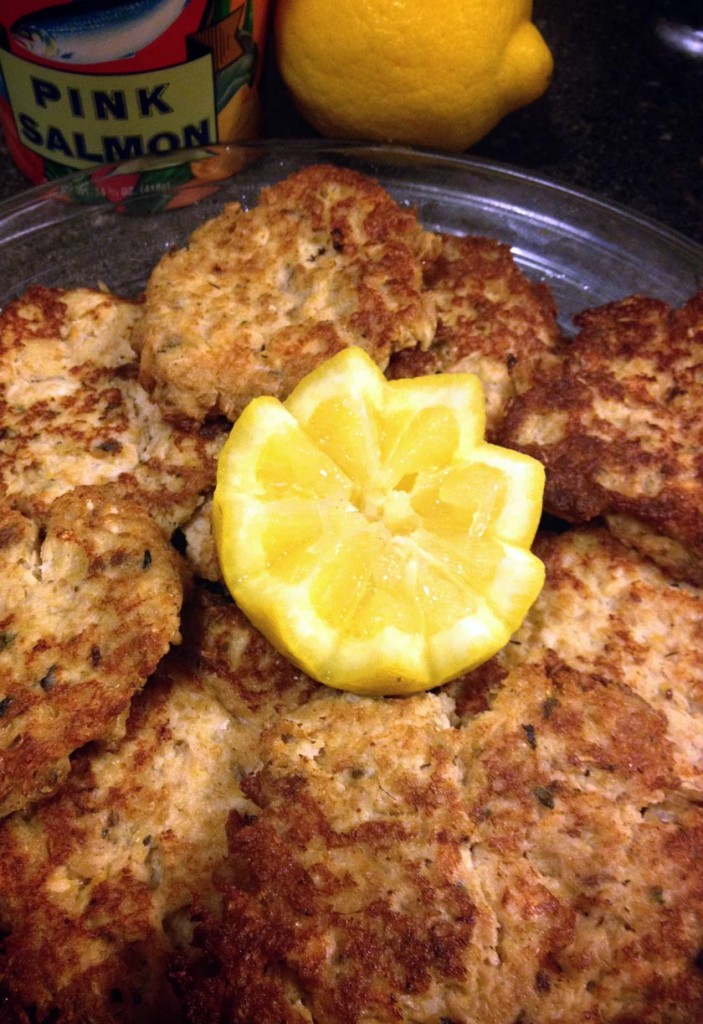
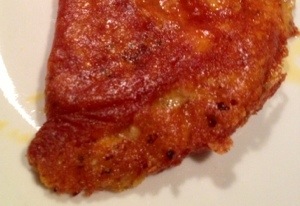
20130602-204719.jpgWe found ourselves hanging out in the RV the other day after a hot, hilly hike along a section of the Appalachian Trail. A few years ago Big D did a stint solo from Georgia to Virginia, and has had a hankering to return to the trail ever since. I am keen to spend a few months on the trail with him and Little B, but finding a gooldly chunk of time during the right seasons of the year has yet to happen, so we will continue with it on our radar for now. Living in Maryland, so close to the trail inspired us to dip our toes into the experience. The dip not only reminds us of our desire to dive in, but also to see how our little trooper, Little B, would do. Ever since she was about 2 years old we have taken her on stroller free walks and hikes. To this day she gets excited about going ‘on a dirt trail’, which is much more fun than the more structured ‘asphalt trails’. When given a choice she always chooses the dirtier path. We all did well with the rocky hills and deep drop offs during our hike, but the heat really drained all my extra energy. Hungry, but also melting into our lounge chairs, we tried to figure out what to have for dinner. Wanting something quick, while limited by our decision to pass on a trip to the store, I dug through the fridge and pantry and came up with these guys – crispy tuna melts. When you think of a tuna melt it is probably an image of hot cheese and tuna between two pieces of buttered, crispy toast. To avoid the carbs and wheat of the bread I made some tasty tuna treats without the sandwich part. They were filling, so it did not take much to sate us, and we sank back into our chairs, full and sleepy as the evening air cooled with the setting sun. Nice day and nice food with nice company.

Crispy Tuna Melts

2 cans tuna in water, drained
3 cloves garlic, crushed
2 cups grated sharp cheddar cheese
Salt and pepper to taste

Heat medium sauté pan over medium high heat. Sprinkle 1/2 cup of cheese in the pan, followed by half a can of tuna and some garlic. Season with salt and pepper. After a minute or so the cheese will begin to crisp as stick together in a cheese pancake. When the tuna and garlic mixes with the melted cheese it is time to flip. Push spatula under half of the pancake and flip it over the other half, like you would an omelet. Flip the crisp to make sure it is evenly browned on both sides. Remove from pan to a plate for cooling. Repeat the process three more time to use the rest of the ingredients. Cut crisps in half, or strips, or any shape for eating. Can be eaten cold or reheated.

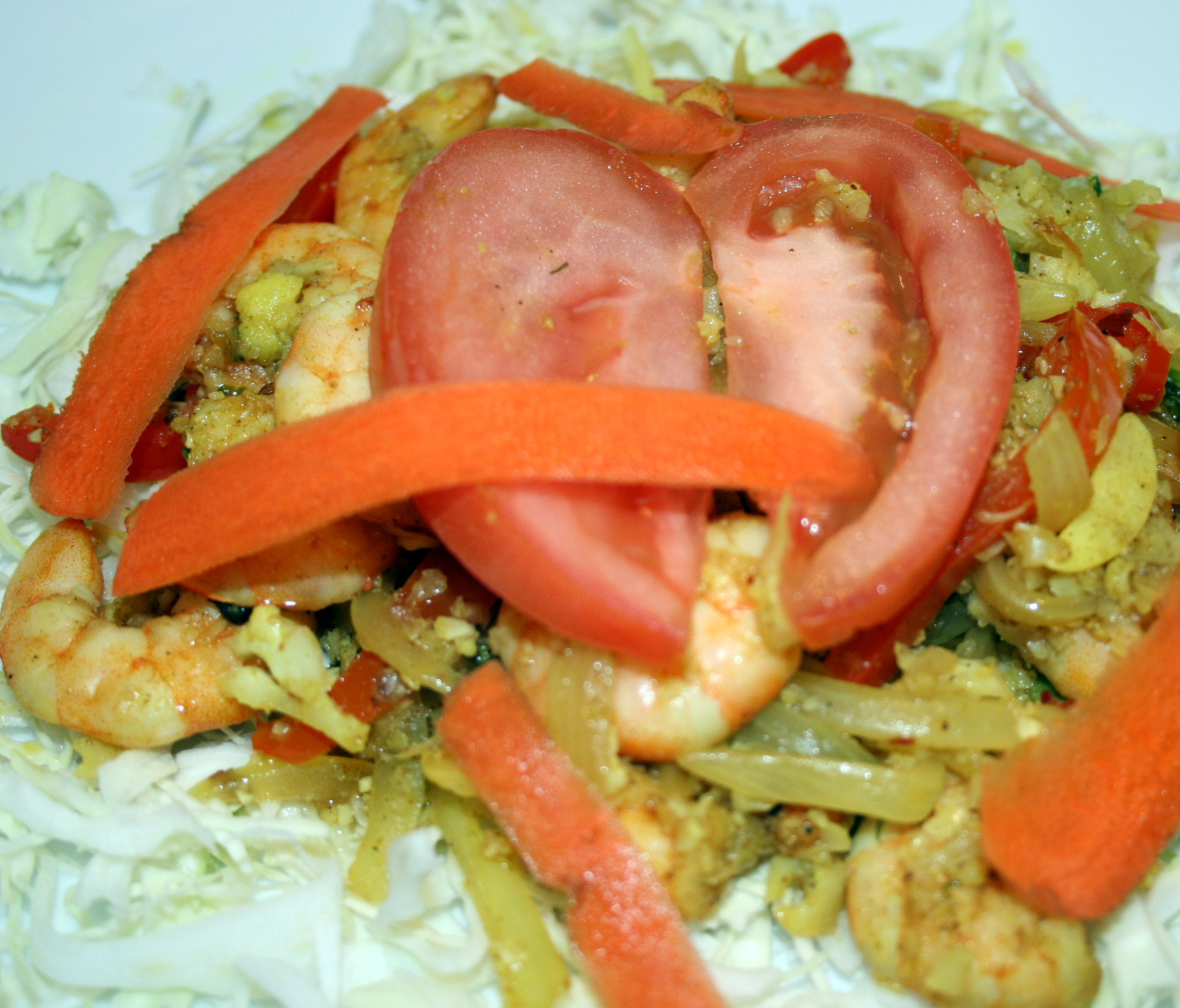
I didn’t want a hot meal, but I also did not want a cold meal. Between Big D and I we came up with this flavorful, crispy concoction. The vegetables are either raw or cooked just until warmed up – maximizing the nutritional potential of them all. A perfect match for shrimp, which needs very little cooking to be ready to eat. The spiciness made us feel full pretty quickly. No lead belly after this meal! We were excited about our find at the store – big, fresh shrimp calling to us. Our past is filled with Gulf Coast shrimp by the bowl full. We grew up sitting at dinners filled with peel-and-eat shrimp dipped in spicy horseradish cocktail sauce, complimented by boiled corn on the cob and new potatoes. For this dish it was Little B’s first attempt at peeling raw shrimp. The first one was pretty mangled, but serious improvement on the subsequent little shrimpies. You should see her peel an onion these days – masterful!

Spicy Shrimp and Vegetables

2 – 4 Tbsp extra virgin olive oil
½ tsp red chili flakes
5 cloves garlic, sliced thin
1 medium onion, sliced julienne
½ large red bell pepper, slice julienne
1 jalapeno, sliced julienne
½ tsp ground turmeric
1 tsp ground cumin
1 tsp ground cinnamon
1 tsp sea salt
2 pounds small/medium shrimp
½ head cauliflower, finely chopped
½ large tomato, sliced in about eight wedges
½ carrot, cut in thin strips
4 cups shredded cabbage
Additional salt to taste

Heat two Tablespoons of the oil in large skillet over medium high heat. Add chili flakes and let sizzle for a few minutes. Add garlic, onion, bell pepper and jalapeno. Saute until onions begin to sweat. Sprinkle in turmeric, cumin, cinnamon and salt, and toss until vegetables are coated. Add cauliflower and cook a few more minutes until it begins to sweat. Add shrimp and toss. Place tomatoes on top of mixture. Cover skillet and cook for about five minutes, until shrimp are cooked and pink. On serving plates spread ½ – ¾ cup cabbage. Add 1 – 2 cups shrimp and vegetable mixture, then top with carrot strips. Serve immediately.

When I was in 6th grade my dad had a business trip to New Orleans. It coincided with spring break so my mom, brother and I went along. The trip was exhilarating in a number of ways. 1) the old, European feel of the narrow streets and old buildings was a new experience for me, 2) even as a ‘tween’ I immediately recognized the potential for fun and folly inherent on Bourbon Street, which was apparent to me in spite of the fact I only saw it in daylight, and 3) the Mississippi was mighty. My brother and I got a brief chance to walk the streets together without the parents, got caught in a rainstorm and were mistaken for a young couple in love (it was a REALLY crowded elevator so we were scrunched together, we were freakishly tall for our age and we were sopping wet). Another discovery was the food in New Orleans. It is sometimes subtle and sometimes spicy, but always has roots in simplicity. Jambalaya is a popular dish found in New Orleans. It is consistent with an international tendency to create a one-pot conglomeration of ingredients that is delicious, filling and representive of local ingredients. Jambalaya is similar to risotto in Italy, paella in Spain, pilaf in Greece/Turkey and fried rice in Asia. Although the ingredients may seem exotic in some regions of the U.S., the following recipe is typical for the Creole tradition of cooking, and close to Cajun methods, even though Cajuns tended not to use tomatoes.

Upon our return to Texas from that first trip to New Orleans there was a flurry of Cajun dishes made in our house. I am not kidding – my dad purchased cookbooks, multiple iron skillets and a propane burner for use outside to make things like blackened redfish. I spent a lot of time chopping up the holy trinity – equal parts green bell pepper, celery and onion. We grew up eating many servings of jambalaya, gumbo, and occasionally etouffee. He sprinkled many a dish with Paul Prudhomme’s magic seasoning blends. Dad was a master meat griller and among his secrets for preparing meat (which he shared with me but I will not divulge here) he relied on the seasoning blends to give the right spiciness and flavor to meats. Such influences still linger with me today, and were part of the reason I was inclined to spend three additional vacations in New Orleans, and spend six months living there. I really want to return again and further experience the magic of one of the oldest and most culturally diverse cities in our country. It may be because I miss my dad, but it may also be that the charm of the city is undeniable and cannot be understood unless you walk the streets and open your heart to the experience.

Jambalaya

1/4 cup vegetable oil
1 large onion, chopped
1 green bell pepper, chopped
3 stalks celery with leaves, chopped
6 cloves garlic, chopped
2 tsp oregano
1 Tbsp cayenne pepper (or less if you want to curb spiciness)
2 tsp salt
1 pound alligator meat, cubed
1 pound andouille sausage, quartered and sliced
2 cups long grain parboiled rice
2 cups chicken stock
2 cups water
1 14.5 ounce can diced tomatoes
3 bay leaves
1 pound cooked crawfish tail meat
1 pound uncooked small shrimp, peeled and de-veined
2 green onions, chopped

In a large Dutch oven heat oil over medium heat on stove top. Add onion, bell pepper, celery, garlic, oregano, cayenne and salt. Cook for about 10 minutes, stirring regularly and scraping bottom until vegetables are wilted and mixture is becoming a caramel color. Push vegetables to the edges of the pot to create a well on the bottom. Add sausage and alligator; cook until it begins to sear, about five minutes, then combine with vegetables. Scrape the bottom of the pan regularly while the meat sears. Add rice, tossing it until thoroughly coated. Add chicken stock, water, tomatoes with their liquid and bay leaves. Stir thoroughly. Cover and simmer over medium low heat for 25 minutes. Do not remove lid during cooking time. Rice should be almost cooked but some liquid not absorbed. Add shrimp and crawfish tails. Cook on low another 10 minutes, until shrimp is cooked, crawfish heated through and liquid absorbed*. Remove from heat and stir in green onions. Let sit for 10 minutes. Taste before serving and add salt as needed to enhance flavors. Before serving remove bay leaves, or at least warn your guests to look out for them.

*To make the jambalaya without seafood use 6 chicken thighs (skinned and diced into large cubes) instead of the alligator. Add the chicken instead of alligator along with the sausage and skip the step later when the shrimp and crawfish are added.