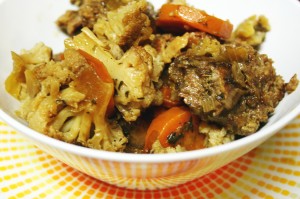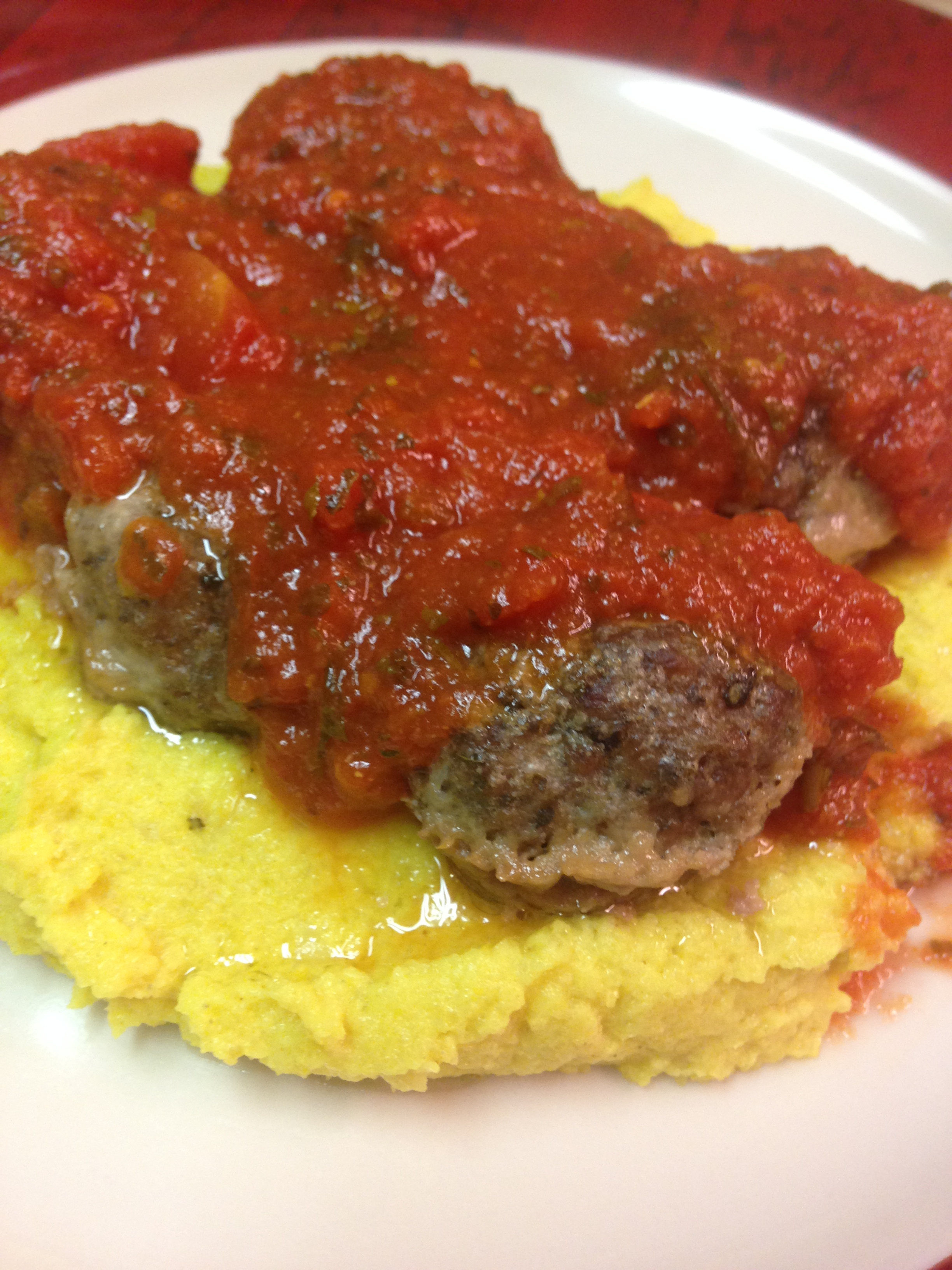
cauliflower


shepherds pie whole

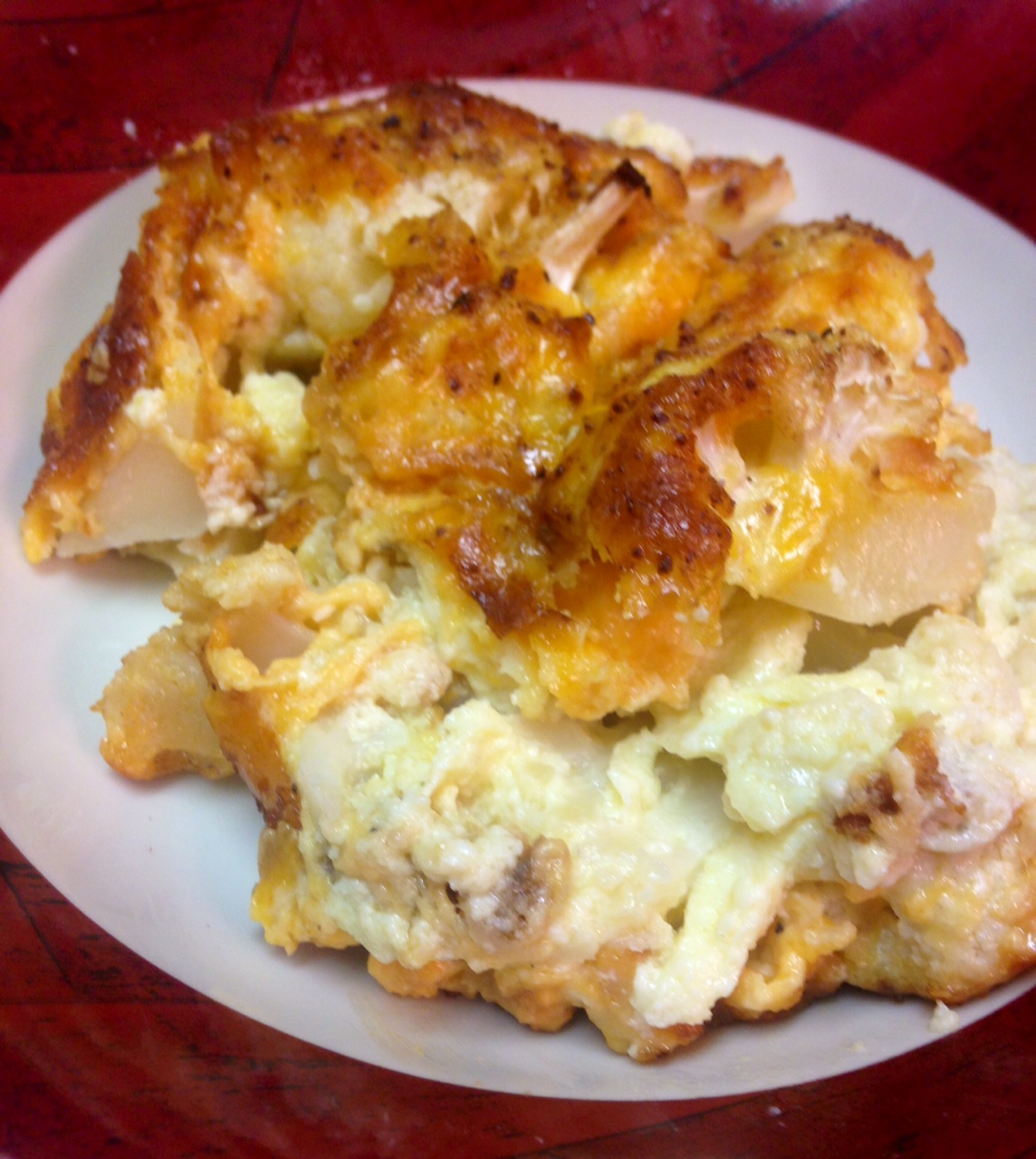
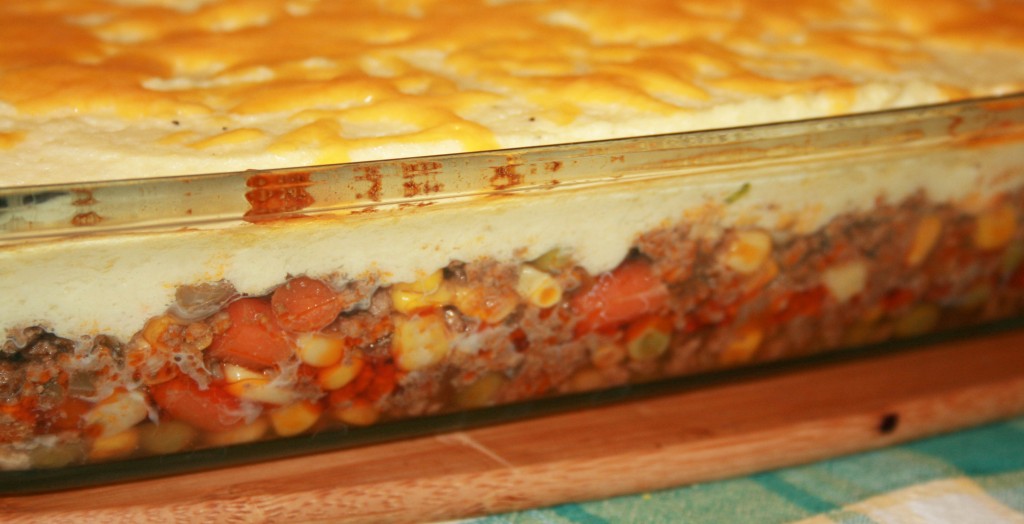
Last year for St. Patrick’s Day I made the traditional American St. Patrick’s Day meal with corned beef. That is all well and good, but not the only Americanized Irish food available. The Shepherd’s Pie is another dish that actually has Irish roots much closer than the corned beef. Here is a version that is very Americanized, or more accurately low carb-ized, for it has not a speck of potato, but as with other manipulations that can be done with cauliflower, you might not miss the ‘taters. This dish is usually called cottage pie when beef is used, and Shepherd’s Pie when lamb is used. I used ground lamb, so I at least kept to some traditional aspects, even if the top is from a cauliflower patch! If I did not tell you, you would never have known. I got the idea for the topping here. I hope for you fun and festivities on this St. Patrick’s Day, and eat cauliflower!shepherds pie piece

Shepherd’s Pie

For the Stew

2 Tbsp butter
1 pound stew beef or lamb, ground or cut into small bite-sized pieces
½ – 1 cup red wine
2 Tbsp tomato paste
2 cloves garlic, crushed
2 Tbsp Worcestershire sauce
1 cup chopped carrots
1 small onion, chopped
1 cup frozen peas
1 cup frozen corn

For the Topping
1 medium head of cauliflower
2 Tbsp heavy cream
2 Tbsp butter
½ cup plus 1 cup shredded sharp cheddar cheese
4 egg whites
Salt & pepper to taste

Clean and trim cauliflower, adding florets to a microwave safe bowl with ¼ cup water. Cover with cling wrap or a vented cover and microwave for 5 – 8 minutes until soft. Drain water. Add the cream and butter to the bowl and toss until butter is melted. Add the cauliflower and ½ cup of cheese to a food processor or use a hand blender to process until the mixture is a smooth consistency. It should look like thick mashed potatoes. Season with salt and pepper. Let cool.

Preheat oven to 375 degrees. In a skillet over medium high heat melt the butter, then add the meat. Saute until browned, about five minutes. If an overwhelming amount of liquid is in the meat, partially drain and continue cooking. Add red wine and cook until sauce bubbles. Add tomato paste, garlic and Worcestershire sauce, stirring until blended. Add onion, corn and peas. Cover and let simmer for 30 minutes over low heat. Turn off heat and set aside while you finish the topping.

Right before putting the cauliflower on top of the meat filling, whip the egg whites to a stiff peak. Fold 1/3 of the egg whites into the cauliflower mixture to lighten it up. Then fold the remaining egg whites into the cauliflower mixture and gently mix until combined. In a 9×13 baking dish add the stew and spread until even. Gently top with cauliflower topping, spreading it evenly and not pressing down too far. Sprinkle the remaining 1 cup of shredded cheese over the top. Bake for 15 – 20 minutes until topping is puffed and cheese is browning slightly. Remove from heat and serve immediately. Sprinkle more Worcestershire Sauce on individual servings if needed.

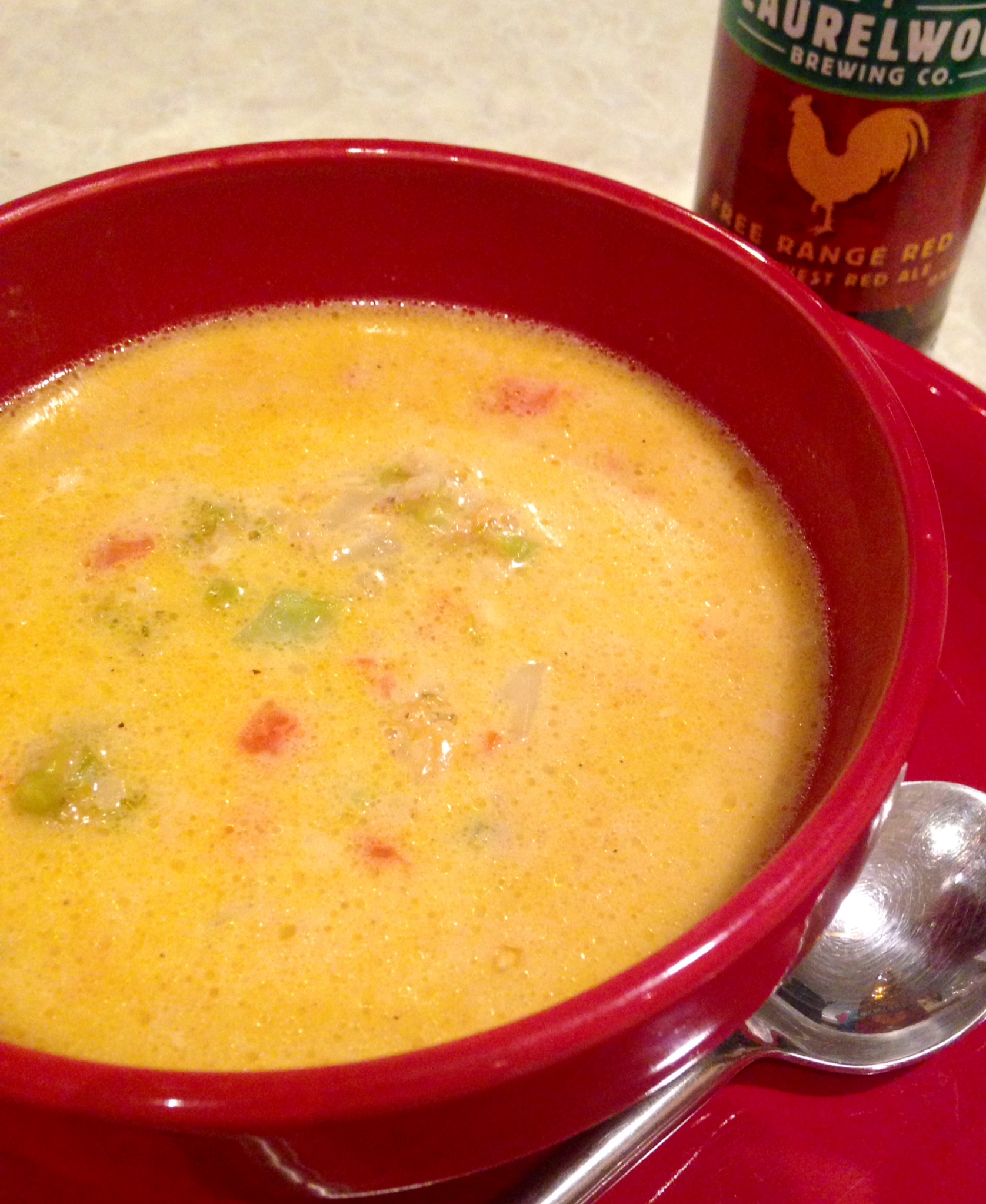
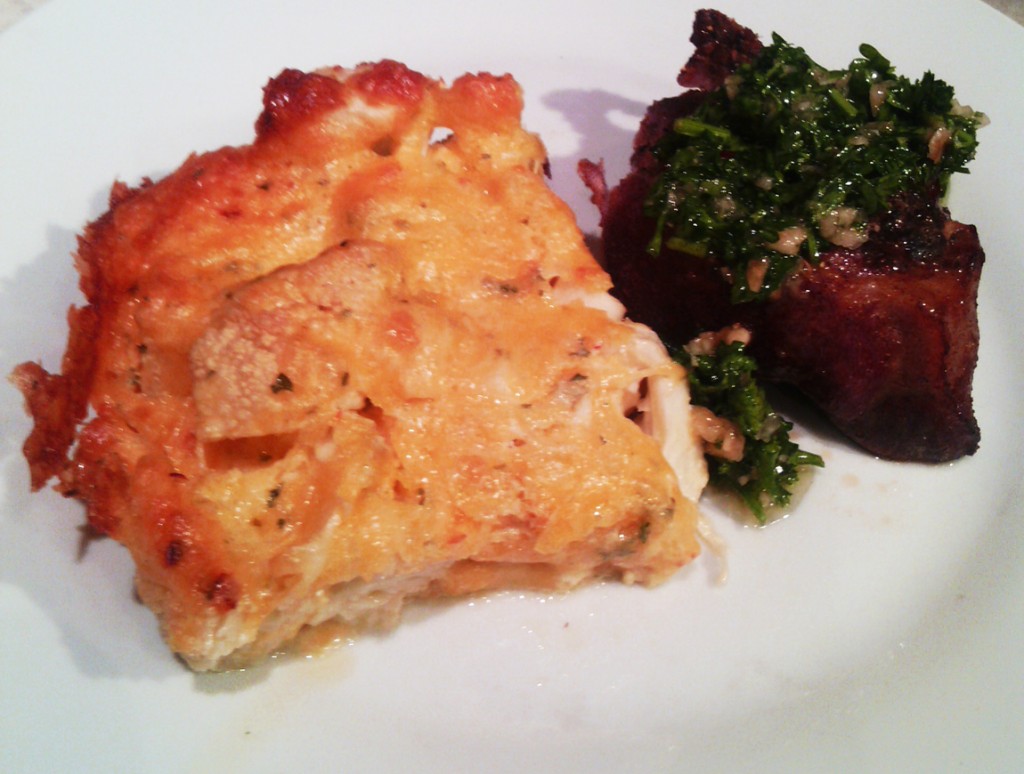
dublin coddleI adore the name of this dish. And oh my flippin’ floopie, it is rich and delish! It reminds me of a chilly, rainy day I spent in Dublin many years ago, popping into a pub to warm up a bit with some food and drink. I did not have a coddle, but the feeling was the same. It totally has a comfort food vibe, and is considered such in Ireland. I thought of it with St. Patrick’s Day coming up and my Irish-ness starting to raise it’s head here in my blog. It is called a coddle because of the slow simmering manner of cooking the dish. Dublin, of course, comes from the popularity of the dish in the Dublin area. I read one place once that the convenience of slow cooking the one-dish meal and the ease of keeping it warm in the oven has a logical basis – it allowed for a warm meal to be ready for the man of the house when he came home late from the pub, after the rest of the family was already in bed. Heh. From my experience there are almost as many variations of this dish as there are mothers and grandmothers. Just like in the US there are delicious recipe variations for meatloaf, chicken soup and apple pie, each cook makes it their own way. I probably committed some form of blasphemy by excluding potatoes from my version of this dish, but we are stubborn about our use of cauliflower as a potato substitute in our diet, so I happily blasphemed. The results were like a beef stew. I know, I know, there is no beef in the recipe. It is just a bunch of pig. That is what I thought! I think the beer mixes with all the other juices and just makes a darned rich broth that is reminiscent of beef broth. Sooooo good! A layer of thinly sliced potatoes as the top layer is the more traditional route, so I included it as an option in the recipe. I thought the quantities would serve four, but we did not have any sides, just a big bowl of coddle. Since there were so many veggies and protein in the coddle it ended up being healthy servings for two very hungry people. If you are not serving sides with the coddle I would recommend doubling the recipe for a party of more than three.

Dublin Coddle

8 slices thick bacon
6 thick pork sausages (mild Italian or ideally some Irish bangers)
1 Tbsp butter
1 large yellow onion, roughly chopped
3 cloves garlic, sliced
1 cup water
1 head cauliflower or 3 medium potatoes
1 large carrot
1 12-ounce beer or hard cider
1 Tbsp dried parsley leaves
2 tsp dried thyme leaves
Salt and Pepper to taste

Cut bacon into 1-inch pieces. In a large frying pan cook the bacon over medium heat until browned. Transfer cooked bacon to Dutch oven. In bacon grease over medium high heat add sausages and cook until browned, but stop before they are completely cooked through. Cut the sausages into one-inch pieces and transfer them to the Dutch oven. In what is left of the bacon grease add the butter. When the butter is melted add the onion and garlic. Saute until onions are softened but not browned. Transfer onion and garlic to Dutch oven. You are now done with the frying pan. Salt and pepper the stuff in the Dutch oven to your liking, then pour in the water. Slice the carrot into coins, no more than ¼ inch thick. Chop cauliflower into bite-sized floret pieces, or peel and slice potatoes, no more than ¼ inch thick. Add to the Dutch oven a layer of carrot, followed by a layer of cauliflower. You may not need the whole head of cauliflower, but there should be an even layer of it over the top of everything else. If using potatoes make an even layer of slices on top, overlapping them so the other ingredients are substantially covered. Sprinkle the parsley and thyme on top of the cauliflower/potatoes, followed by salt and pepper to your liking. Add the beer or cider. The liquid in the Dutch oven should come up to about the middle of the pot and not totally submerge all the ingredients. Cover the Dutch oven with a tight fitting lid or two layers of foil. Place in 400 degree preheated oven and cook for 45 minutes, then turn heat down to 325 degrees and cook for another 1 to 1 ½ hours, until the cauliflower/potato layer is soft and ready to eat. Turn off the oven and leave the coddle inside it until time to serve. It will stay hot for quite a while.


dolmas_edited-1To conclude coverage of our Greek feast I share with you dolmas. Dolma generally means ‘stuffed thing’, and depending on where you are, the stuffed thing is some sort of vegetable – potatoes, squash, peppers, or tomatoes. After room is made in said vegetable they are filled with stuffing made of grains, vegetables and seafood or meat, which is then cooked. In this case we are leaning towards a Greek variation that involves stuffing grape leaves. The grape leaf version of dolmas can be eaten with fork and knife, or picked up as finger food. Personally, my method depends on how long it has been since I last had dolmas. I am more likely to use utensils if my last encounter with dolmas occurred recently; otherwise, fingers it is. To make them healthier and lower the carb count we used cauliflower instead of rice. I always like having dolmas  as part of a Greek meal – they are great hot or cold, can be made in advance (ideally at least the day before), and a plate of them can be easily shared if eaters are willing and generous. I hardly noticed the absence of rice in this version, since the cauliflower gave them a very similar texture to grain or rice. The lemon and egg coating gives them a nice tang, but it does not hurt to serve them up with a dollop of tzatziki as well. If you know me at all you would not be surprised that my dollops are more like glops, but to each her own. Big D helped with the logistics of making the dolmas, especially with separating the grape leaves, which he referred to as “a real pain in the a**”, and with filling them. I was not ignorant to the fact he got such an annoying, leafy task – the poor, innocent guy. Only through this post will he realize my true evil intentions when I sweetly said “can you help for a sec?” We are excited about using the steaming water as a base for soup. Maybe he will forgive me. Yay and Yum! I got some good suggestions for making the dolmas with cauliflower here.

Dolmas

1 8-ounce jar grape leaves (you will probably have extras)
½ head raw cauliflower
½ cup pine nuts (optional)
½ cup raisins (optional)
1 pound ground lamb (or chicken – I know, blasphemy, but can’t find lamb sometimes)
½ medium raw onion
1 Tbsp dried mint
½ cup fresh parsley leaves
2 garlic cloves, crushed
1 ½ tsp sea salt
½ tsp ground black pepper
2 fresh lemons
1 large egg

Carefully remove the leaves from the jar and place in the sink or a large bowl. They are usually tightly rolled together in the jar and can easily be torn. Cover the leaves with hot water and allow to soak at least 15 minutes. Meanwhile, break the cauliflower into florets, removing the stems. Place the florets in the food processor bowl and pulse until the cauliflower looks like rice. This takes about 10 to 15 one-second pulses. Place “rice” in a large mixing bowl and put the bowl back on the food processor; no need to clean it yet.

(Optional) Heat a dry skillet over medium high heat, then add pine nuts and raisins, stirring often and cooking until the pine nuts are lightly toasted, about 3-5 minutes. Set aside to cool, then coarsely chop. Add the nuts and raisins to the rice in the bowl.

Place the lamb, onion, mint, parsley, garlic, salt, and pepper in the bowl of a food processor and steadily pulse the mixture until the ingredients form a paté and everything is combined. I have also used a pastry cutter when a processor is not available – it takes a little longer, but results work. Add the lamb paté to the “rice” and mix well. The easiest way to do this is with your hands: run them under a little cold water and dig in.

In a steamer basket place a few leaves — the ones that are torn or small — to mostly cover the bottom of the pan. There can be some gaps. Put enough water in the steamer base so it does not rise above the bottom of the basket. Cut half of one lemon in half and drop the quarters in the water. Bring the water to a boil while you prepare the dolmas. Drain the water from the rest of the leaves. Place a leaf on a flat surface with the shiny side facing down, veins facing up. Snip off the stem, and place about one mounded tablespoon of filling on the end of the leaf closest to you, where the stem attached before you whacked it. The filling amount can vary, depending on the size of the leaf you are using. Roll from the bottom until the filling is covered by one layer of leaf. Fold in the side flaps and keep rolling until you have a cigar shape. You want to roll them pretty tightly so they don’t come apart during the cooking process. This is different than traditional dolmas where you want to leave a little wiggle room for the rice to expand during cooking. The cauliflower actually shrinks as it cooks, so roll them up tight, but be gentle not to tear the leaves! Place the rolls in the pan and nestle them up against each other. There can be multiple layers if needed, but place the layers crosswise so air can circulate. They will all get cooked.

Cut half of one lemon into thin slices circles and arrange the slices on top of the dolmas in the steamer. Place the filled basket over the boiling water. Cover with a lid, turn the heat way down to a gentle simmer and cook 25-30 minutes, until the leaves are tender but not falling apart. Remove the steamer and pour out the water from the base pot. Replace the steamer into the base.

In a small bowl, whisk the juice from the remaining lemon with the egg until frothy. Remove lemon slices from the top of the dolmas. Pour the frothy mixture over the dolmas, then put the lid back on and let the sauce set. The hot dolmas gently cook the egg/lemon sauce to create a tangy coating.

When the sauce sets, about ten minutes, remove the dolmas from the pan, place covered in the fridge, and wait until they’re chilled. They taste great cold, room temp, or hot — but are best if reheated the day after preparation, rather than eaten immediately when they come out of the pan.

cauliflower sautee_edited-1

Here is another quick way to prepare cauliflower, in case you did not get enough when I cooked it with curry, or that time when I surrounded it with garlic, and don’t forget the time I made it into fritters, then there was the time I mashed it. We eat a lot of the stuff around here, and I don’t see and end in sight. I swear this time it is different, and enjoy it along a spicy or busy main dish. Nutmeg may sound like an odd spice to use outside of a dessert, but it works amazingly well with cauliflower and helps keep preparation simple and flavorful. It is pretty common in Middle Eastern and European dishes to use nutmeg in savory vegetable and meat dishes. After you use it with cauliflower you will understand why. Yum! I like making cauliflower on the stove top when we are in the RV, or whenever the oven is busy cooking the rest of the meal. It is easy to let it basically prepare itself while I am getting other parts of the meal done, then leaving it covered off the heat keeps it warm and ready to serve when you are.

Cauliflower Saute

1 head cauliflower
3 Tbsp butter
2 garlic cloves, crushed
¼ tsp nutmeg
Salt and pepper to taste

Cut cauliflower into bite-size florets. In large skillet melt butter over medium heat. Add garlic and cook for a few minutes until it softens. Turn up heat to high and add cauliflower. Toss so the butter and garlic coats the florets. Cook until the cauliflower begins to brown. Add nutmeg, salt and pepper and continue to toss every minute or so, allowing more browning. When about half the floret surfaces are browned turn heat to low and cover, cooking the cauliflower until preferred softness, about five to ten more minutes.

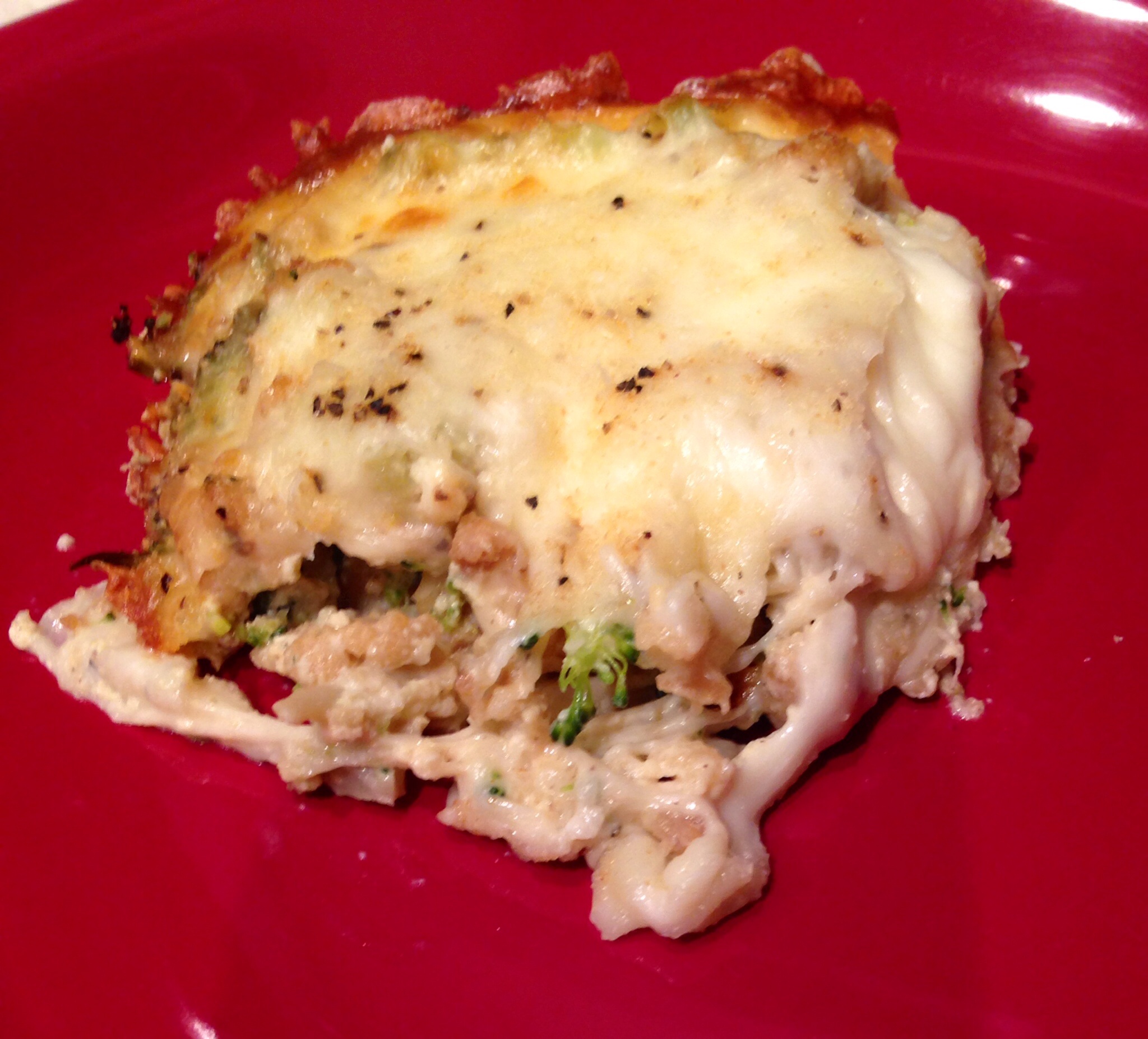
creamy veggie bake

I am constantly trying to find new ways to prepare high fiber vegetables. There is only so many times a week I can chew on raw broccoli and cauliflower, no matter how good they are for me. Big D made a big, chipotle spiced pork roast in the crock pot the other day. I wanted some baked veggies to go along with it to balance the spicy. Of course I turn to a creamy, buttery sauce. I threw in a little turmeric for flavor and color. The vegetables did a good job of not taking away from the smokey chiles while also keeping my tongue from burning too much. Little B still prefers her broccoli ‘trees’ straight out of the freezer. Although I hoped she would like this baked version, which she did not find appealing, I am not going to complain. Someday she may not like broccoli. For now I will just smile and keep buying the bags of frozen green trees she can reach on her own with the help of the little red kitchen stool.

Creamy Vegetable Bake

1 crown broccoli
½ head cauliflower
½ head cabbage
1 small onion
½ cup butter, melted
½ cup heavy cream or half and half
¼ cup yellow mustard
1 tsp garlic powder
½ tsp turmeric
1 tsp sea salt
Salt to taste

Preheat oven to 350 degrees. Chop vegetables into bite size pieces. Mix vegetables together in a 9×13 baking dish. In a medium bowl combine butter, cream, mustard, garlic, salt and turmeric. Whisk until well combined. Pour sauce over vegetables and toss until coated. Cover with aluminum foil and bake for 45 minutes. Uncover and bake for an additional 15 – 30 minutes until vegetables are of preferred softness. We like them slightly crunchy. Serve immediately and make sure the sauce is drizzled over the top.

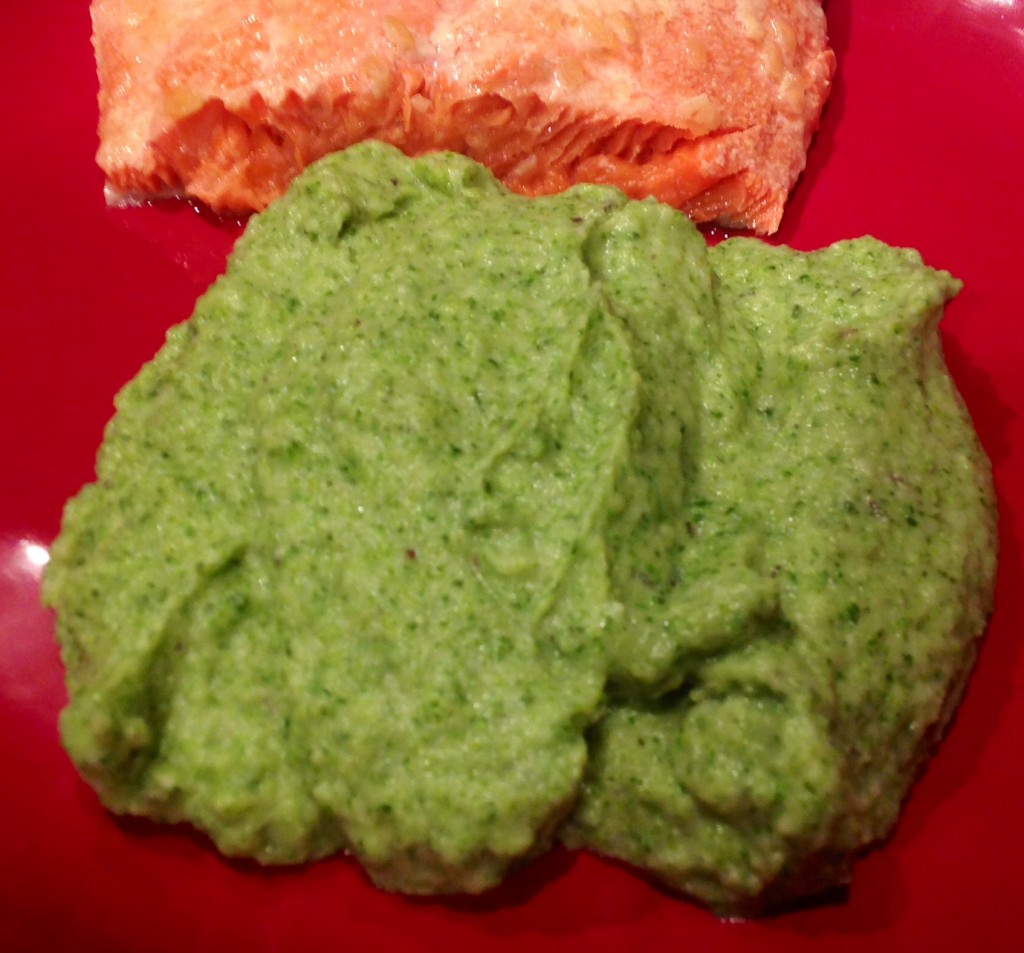
Hummus tastes good in so many ways. And by ways I mean it can be used as a dip, or spread, or side dish or a nice base for presenting other foods. My favorite use is spreading it on pita and filling with Greek salad. These days I try to not eat much pita, and frankly hummus made from chickpeas can put me over the top carb-wise on a day if I am not careful. I still like the idea of using hummus as a fiber filled  base for anything from salad to grilled meats or seafood. To reduce the carb count I came up with a way to make kinda hummus, using veggies. I can use it where I would otherwise put hummus, with fewer carbs while keeping the fiber content high. The other day Big D made a killer batch of taco meat. I slathered a layer of kinda hummus on the plate under the meat and cheese and tomatoes. Yum! The vegetable proportions can vary depending on what you have in the fridge, but keeping the cauliflower  at about half the bulk will helps obtain the hummus consistency. Be sure to let the veggies cool before pureeing, cuz they can certainly become a hot mess!

Veggie Kinda Hummus

2 cups chicken broth
1 medium head cauliflower
2 cups broccoli, chopped
1 small onion
2 celery stalks, chopped
1 carrot, chopped
2 cloves garlic
Salt and pepper to taste

Combine broth, garlic and vegetables in a large pot. Cook over medium high heat until boiling. Reduce heat and simmer for 30-45 minutes until all the vegetables are soft. Let cool until safe to transfer to use a hand blender, counter top blender  or food processor. Using a strainer or
slotted spoon separate the veggies from the liquid. Purée the vegetables until smooth, all at once or in batches. Add some of the cooking liquid only if it is too thick to purée. The vegetables will be pretty wet, so you probably won’t need the liquid. Serve warm or cold as a spread, dip or plating base for meats and other vegetables, as you would hummus.

I can hardly believe I did not write about mashed cauliflower before now. It is a staple of ours that appeases any craving I ever had for mashed potatoes. The flavor and texture is rich and smooth. It is a really easy dish, but the results can vary as far as thickness and smoothness. Over the years we have experimented with ingredients and processes – chopping finely before cooking, steaming the head whole, steaming then using a hand blender to puree, using a potato smasher to get a rough consistency. All of this experimentation led to a wonderful conclusion – cook the cauliflower in large chunks, then puree after draining the steaming liquid – this method seems to give it just the right texture and thickness. Too thin and you get soup, too thick and the flavors just don’t mix the right way. When it is just right – very Goldilocks is what I call it – the dish is addictive and will do you proud on any holiday dinner table. Don’t get me wrong, the soupy version and the one with flavors not mixing just righ are delicious as well, but we challenge ourselves to get dishes -just- right. The following version is wonderfully thick and flavorful. It definitely has a place of honor on our table. It is a dish that really is better the next day, so take advantage of that fact and make it the day before, only needing a quick heating up before serving.

Mashed Cauliflower

1 large head cauliflower, cut into large pieces
½ cup water
½ cup butter
4 cloves garlic, crushed
1 Tbsp dried thyme leaves
Salt to taste

In a large pot add water and 1 tsp salt. Bring to a boil and add cauliflower. Lower temperature and cover, steaming until soft, about 10 minutes. Place cauliflower in food processor or blender, retaining liquid from pot, and puree until smooth. If necessary add a small amount of the steaming liquid to help with the puree process. When smooth, return cauliflower to the pot and add butter, garlic and thyme. Turn heat on under pan to low and cook until butter is melted and spices are blended. The cauliflower can be served immediately, or chilled overnight to maximize the blending of flavors. Reheat over low heat on stove top for best results, but microwaving on 50% power until hot works as well. Serve along with anything calling for a side of mashed potatoes. You won’t regret it!

I didn’t want a hot meal, but I also did not want a cold meal. Between Big D and I we came up with this flavorful, crispy concoction. The vegetables are either raw or cooked just until warmed up – maximizing the nutritional potential of them all. A perfect match for shrimp, which needs very little cooking to be ready to eat. The spiciness made us feel full pretty quickly. No lead belly after this meal! We were excited about our find at the store – big, fresh shrimp calling to us. Our past is filled with Gulf Coast shrimp by the bowl full. We grew up sitting at dinners filled with peel-and-eat shrimp dipped in spicy horseradish cocktail sauce, complimented by boiled corn on the cob and new potatoes. For this dish it was Little B’s first attempt at peeling raw shrimp. The first one was pretty mangled, but serious improvement on the subsequent little shrimpies. You should see her peel an onion these days – masterful!

Spicy Shrimp and Vegetables

2 – 4 Tbsp extra virgin olive oil
½ tsp red chili flakes
5 cloves garlic, sliced thin
1 medium onion, sliced julienne
½ large red bell pepper, slice julienne
1 jalapeno, sliced julienne
½ tsp ground turmeric
1 tsp ground cumin
1 tsp ground cinnamon
1 tsp sea salt
2 pounds small/medium shrimp
½ head cauliflower, finely chopped
½ large tomato, sliced in about eight wedges
½ carrot, cut in thin strips
4 cups shredded cabbage
Additional salt to taste

Heat two Tablespoons of the oil in large skillet over medium high heat. Add chili flakes and let sizzle for a few minutes. Add garlic, onion, bell pepper and jalapeno. Saute until onions begin to sweat. Sprinkle in turmeric, cumin, cinnamon and salt, and toss until vegetables are coated. Add cauliflower and cook a few more minutes until it begins to sweat. Add shrimp and toss. Place tomatoes on top of mixture. Cover skillet and cook for about five minutes, until shrimp are cooked and pink. On serving plates spread ½ – ¾ cup cabbage. Add 1 – 2 cups shrimp and vegetable mixture, then top with carrot strips. Serve immediately.

When I make it a point to avoid processed grains and starchy carbohydrates in my diet I seem to have more energy and lose weight. I also start to crave vegetables. Of course a loaded baked potato or breaded mushrooms don’t really fit the balance I want. Ideally I would crave steamed veggies with some lime juice and herbs, but the reality is I want substance and texture and flavor. These fritters help me balance the need for hearty high fiber veggie variety and a low carb energy source. I was inspired by the recipe here, but tweaked it to make chunkier fritters held together by flaxseed. Low carb and hearty. Yum!

Cauliflower Fritters

½ large head cauliflower
2 whole eggs
¼ cup flaxseed meal
¼ cup fresh parsley, finely chopped
1 tsp lime juice
½ tsp salt
¼ tsp black pepper
1 tsp fresh thyme
½ tsp ground cinnamon
¼ tsp chili powder
½ tsp cumin
½ tsp tumeric
pinch cayenne pepper
½ cup olive oil or fat of your liking

Cut cauliflower into little florets and add to the bowl of your food processor. Process on pulse until cauliflower has texture of large grains of cracked wheat*. In a large mixing bowl add the rest of the ingredients and mix until well combined. Add the cauliflower and combine until well coated. Heat a splash of olive oil in a frying pan and add about ¼ cup of the mixture for each fritter. Using a large spoon droop a mound about the size of a baseball into the oil. Cook three or four fritters at a time for 2 – 3 minutes on each side, until golden brown, then keep warm while you cook the remaining fritters.

*I just chopped them up a bunch, resulting in big and little chunks instead of cracked wheat chunks. They were yummy all the same